

How Air Conditioning Affects Sleep Apnea: What You Need to Know
Air Conditioning and Sleep Apnea: What to Know
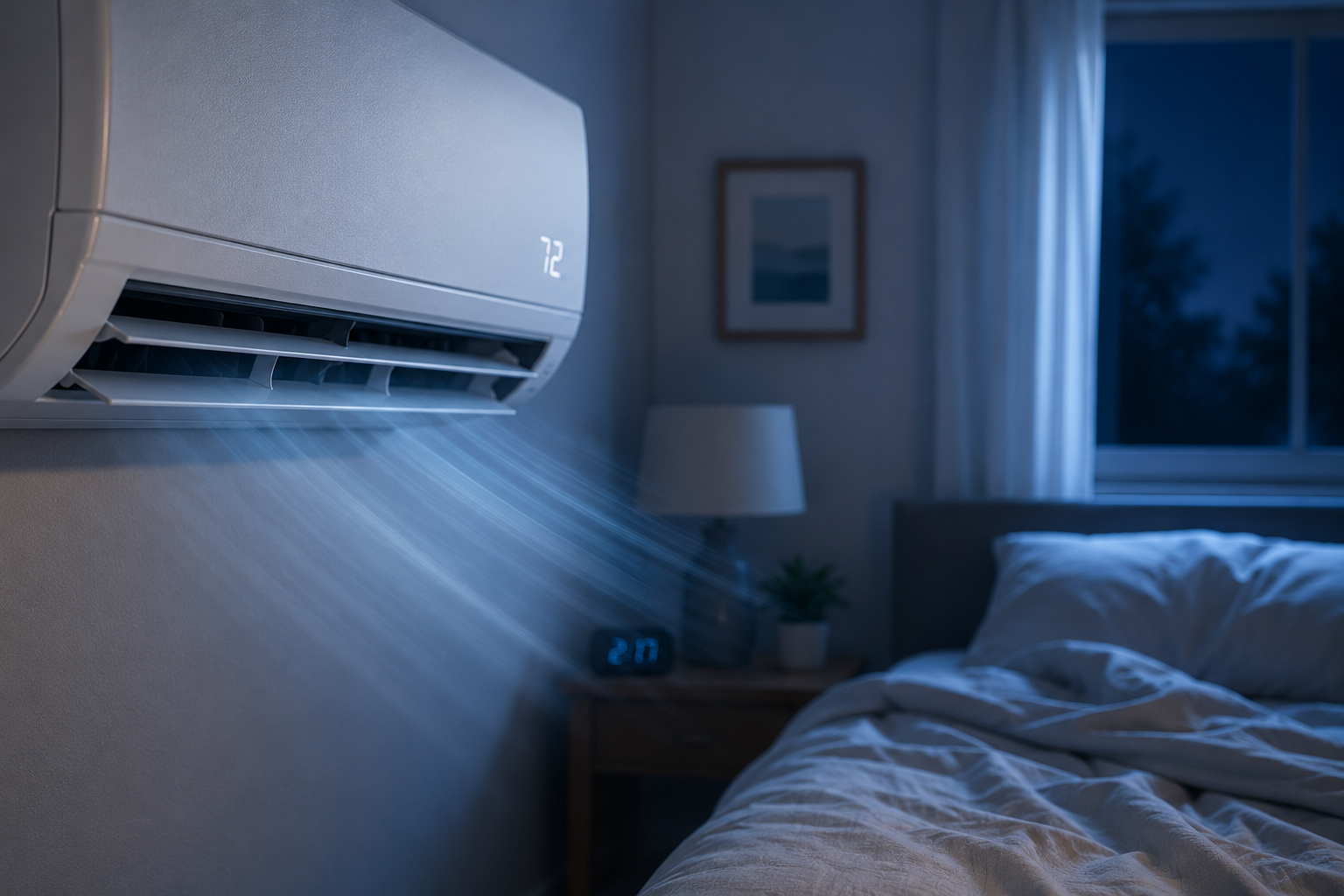
AC can affect sleep apnea through dry air, nasal congestion, and CPAP humidity issues. Here's how to manage it this summer.
For people living with obstructive sleep apnea (OSA), summer brings an unexpected challenge that has nothing to do with the heat itself. It's the air conditioning. While running the AC all night might seem like the obvious solution for sleeping comfortably in warm weather, it can introduce a set of conditions that complicate sleep apnea symptoms and disrupt CPAP therapy compliance. Understanding the connection between air conditioning and sleep apnea can help you make smarter decisions about your sleep environment this summer.
Dry Air and Airway Irritation
Air conditioning systems work by removing moisture from the air as they cool it. The result is dry indoor air, and for sleep apnea patients, dry air is a real problem. When the air you breathe is low in humidity, the mucous membranes in your nose, throat, and airways become dry and irritated. This can lead to nasal congestion, which forces you to breathe through your mouth during sleep.
Mouth breathing significantly worsens obstructive sleep apnea. When airflow bypasses the nose and travels directly through the mouth and throat, it increases turbulence and vibration in the soft tissue of the airway, raising the risk of partial or complete airway obstruction. For patients who already experience nighttime breathing problems, this shift from nasal to mouth breathing can dramatically increase the number of apnea events per hour, a measurement known as the apnea-hypopnea index (AHI).
If you wake up with a dry mouth, sore throat, or increased congestion after sleeping with the AC running, dry air is likely contributing to your symptoms.
CPAP Therapy and the Humidity Balancing Act
For patients using continuous positive airway pressure (CPAP) therapy, air conditioning adds another layer of complexity. Most modern CPAP machines come equipped with a humidifier that adds moisture to the pressurized air delivered through your mask. During summer, when your bedroom is both warm and air-conditioned, the air temperature inside the CPAP tubing can vary dramatically from the room temperature.
This temperature differential causes a condition known as rainout, where condensation builds up inside the CPAP hose and mask, creating a gurgling sound or causing water droplets to enter the airway. Rainout is one of the leading reasons CPAP users report discomfort and reduced compliance during the summer months.
There are several ways to address this. Using a heated CPAP hose helps maintain a consistent temperature throughout the tubing, reducing condensation significantly. Adjusting your humidifier setting downward during air-conditioned nights can also help. Some patients benefit from running CPAP tubing under the bedding to minimize the temperature drop. Your sleep specialist or dental sleep medicine provider can help you dial in the right settings for your specific machine and environment.
Nasal Congestion as a Sleep Apnea Risk Factor
Chronic nasal congestion is one of the most well-documented contributors to sleep apnea severity. When nasal passages are inflamed or blocked, whether from allergies, dry air, or air conditioning, the resistance in the upper airway increases. The body compensates by opening the mouth, which, as discussed above, creates conditions that worsen obstructive sleep apnea.
Summer air conditioning can also circulate allergens like dust and mold spores that accumulate in filters over time. If your AC unit has not had its filter cleaned or replaced recently, it may be actively introducing irritants that inflame your nasal passages every night. A clean filter and proper unit maintenance is a simple, often overlooked step that can meaningfully improve your sleep environment.
Tips for Managing Your Sleep Environment This Summer
There are several practical steps sleep apnea patients can take to minimize the impact of air conditioning on their sleep quality. Running a standalone humidifier in the bedroom alongside the AC can help offset the drying effect without sacrificing cool temperatures. Keeping the thermostat at a consistent setting rather than letting the room get very cold helps reduce CPAP rainout. Staying well-hydrated throughout the day supports mucosal health in the airways overnight. And maintaining nasal breathing through the use of saline rinses or nasal strips can reduce mouth breathing episodes.
If you use oral appliance therapy instead of CPAP, dry air and air conditioning have less direct impact on your treatment, which is one reason many patients prefer oral appliances for their simplicity and adaptability across different sleep environments.
Talk to a Sleep Apnea Specialist
Sleep apnea treatment is not one-size-fits-all, and your sleep environment plays a bigger role in your outcomes than most patients realize. If you've been struggling with your CPAP during the summer months, or if you're experiencing new or worsening symptoms like loud snoring, daytime fatigue, or morning headaches, it's worth speaking with a dental sleep medicine specialist.
Oral appliance therapy is a highly effective, low-maintenance alternative to CPAP that works well across all seasons and sleep environments.