

What Is Sleep Apnea and How It Affects the Body | Symptoms, Risks & Treatments
What Is Sleep Apnea and How It Affects the Body | Symptoms, Risks & Treatmentse
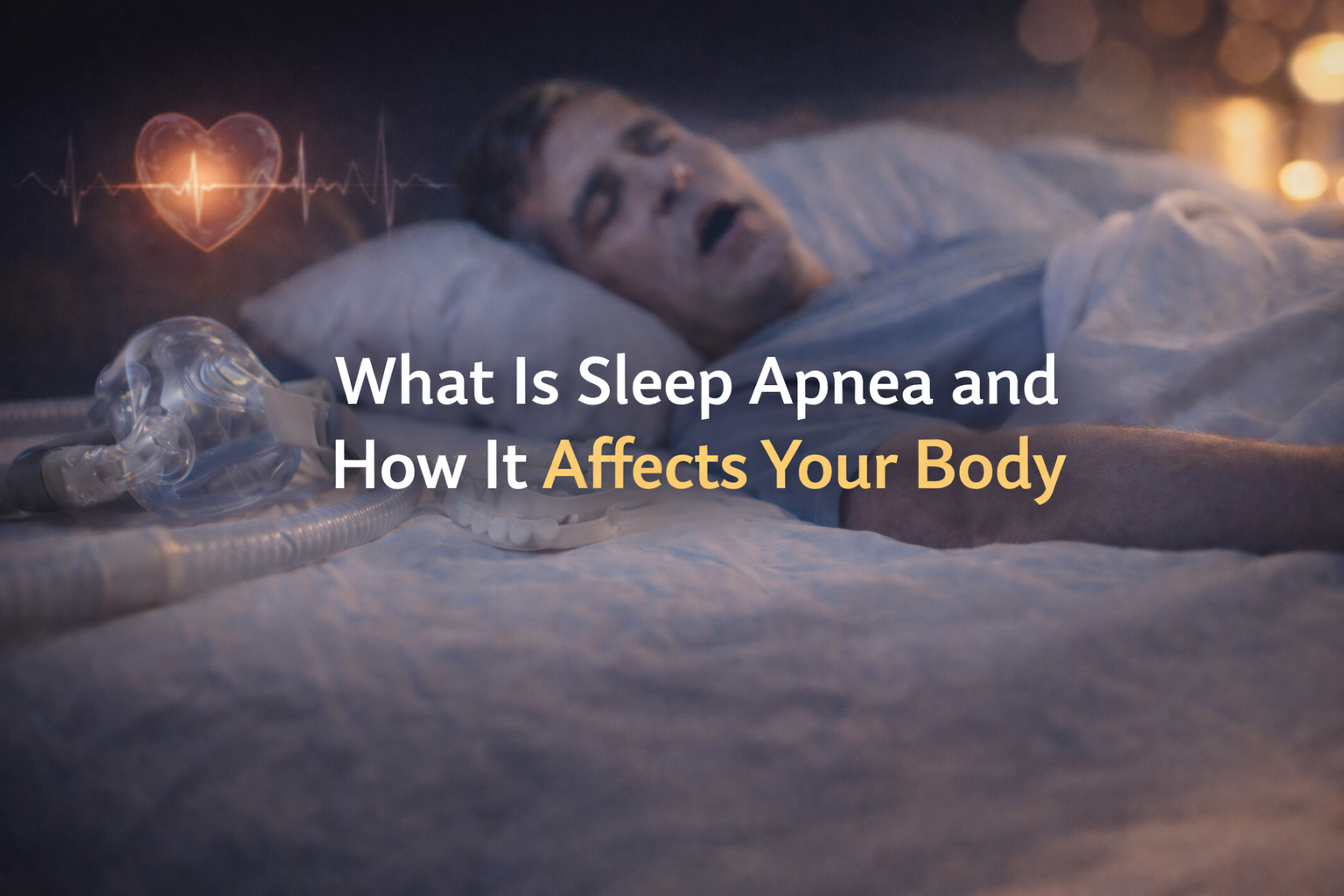
Introduction: Why Understanding Sleep Apnea Matters
Sleep is essential for restoring energy, repairing tissues, and keeping your brain sharp. But for millions of people, a hidden condition known as sleep apnea interrupts this vital process. Far from being just an annoyance, sleep apnea can quietly affect nearly every system of your body.
If left untreated, it increases the risk of heart disease, diabetes, stroke, obesity, and cognitive decline. In fact, experts estimate that around 30 million Americans live with sleep apnea—yet most remain undiagnosed.
Understanding what sleep apnea is and how it impacts your health is the first step to protecting yourself or a loved one.
What Is Sleep Apnea?
Sleep apnea is a disorder in which breathing repeatedly stops and starts during sleep. These pauses in breathing—sometimes lasting 10 seconds or longer—disrupt the body’s ability to get restorative rest.
There are three main types of sleep apnea:
- Obstructive Sleep Apnea (OSA) – The most common type, caused by the collapse of soft tissues in the throat that block the airway.
- Central Sleep Apnea (CSA) – Less common, caused by the brain failing to send proper signals to the breathing muscles.
- Complex Sleep Apnea – A combination of both OSA and CSA.
OSA is by far the most widespread and is strongly linked to snoring, obesity, and age.
Symptoms: Recognizing the Warning Signs
Many people don’t know they have sleep apnea until someone else notices it. The condition often hides behind symptoms that may seem unrelated.
Common symptoms include:
- Loud, chronic snoring
- Pauses in breathing during sleep, followed by gasping or choking
- Waking up with a dry mouth or sore throat
- Morning headaches
- Trouble concentrating or memory problems
- Excessive daytime sleepiness
- Irritability, depression, or mood swings
If you or your partner notice these signs, it’s worth discussing with a healthcare provider.
How Sleep Apnea Affects the Body
Sleep apnea doesn’t just make you tired—it disrupts the way your body functions on multiple levels:
1. Cardiovascular Stress
When oxygen levels drop during an apnea event, the body releases stress hormones that increase blood pressure and heart rate. Over time, this raises the risk of hypertension, heart disease, arrhythmias, and stroke.
2. Brain and Cognitive Health
Interrupted oxygen supply affects memory, focus, and decision-making. Studies link untreated sleep apnea to increased risk of dementia, Alzheimer’s disease, and mental health struggles.
3. Metabolic Function and Weight
Sleep apnea alters hormones like ghrelin and leptin, which control hunger and fullness. This can cause weight gain, which in turn worsens sleep apnea—creating a dangerous cycle.
4. Immune System Weakness
Good sleep strengthens your immune defenses. Without it, the body becomes more vulnerable to inflammation, chronic illness, and infections.
5. Daily Safety
Daytime drowsiness caused by sleep apnea increases the risk of car accidents and workplace injuries. The CDC reports that drowsy driving contributes to thousands of crashes each year.
The Hidden Dangers of Untreated Sleep Apnea
Ignoring sleep apnea can have life-altering consequences. Beyond fatigue, it is associated with:
- Type 2 diabetes
- Heart attack and stroke
- Depression and anxiety
- Shortened life expectancy
One study found that untreated severe sleep apnea can increase the risk of premature death by up to 46%.
Getting Diagnosed: What to Expect
If you suspect sleep apnea, a doctor may recommend a polysomnography (sleep study) at a clinic or a home sleep apnea test. These tests measure breathing, heart rate, oxygen levels, and sleep stages to confirm the diagnosis.
Treatment Options for Sleep Apnea
The good news? Sleep apnea is treatable. Treatment depends on severity, underlying causes, and patient preference.
Options include:
- Lifestyle changes: Losing weight, reducing alcohol use, quitting smoking, and changing sleep position.
- CPAP (Continuous Positive Airway Pressure): The most common treatment, a CPAP machine keeps airways open with a constant stream of air.
- Oral appliances: Custom-made devices fitted by a sleep apnea dentist reposition the jaw or tongue to improve airflow.
- Surgical interventions: In severe cases, surgery may be needed to remove or reposition tissue blocking the airway.
For many patients, dental oral appliance therapy offers a more comfortable and portable alternative to CPAP therapy, especially for mild to moderate sleep apnea .
Living With Sleep Apnea: A Path to Better Health
Treatment often brings dramatic improvements:
- Better energy and concentration
- Lower blood pressure
- Healthier weight management
- Improved mood and relationships
- Reduced risk of serious disease
Patients often describe finally feeling “rested” for the first time in years.
Conclusion: Take Action Today
Sleep apnea is far more than snoring—it’s a serious medical condition that can harm your heart, brain, metabolism, and overall quality of life. The good news is that with diagnosis and treatment, you can restore healthy sleep and protect your long-term health.
If you or a loved one show signs of sleep apnea, don’t wait. Talk to a healthcare provider or sleep apnea dentist today—getting help could be life-saving.